 English

© 2019 Suzhou Tianzhijiao Precision Machinery Co.,Ltd. All rights reserved. Site Map Designed by iwonder.cn
Engine valve material grade determines the maximum continuous operating temperature, wear resistance, and fatigue life of the finished component. Intake valves and exhaust valves operate in different thermal environments and require different alloy families. Material selection also sets forging temperature windows, grinding wheel specification, and hardfacing parameters on the production line.
Intake valves are cooled continuously by the incoming air-fuel charge. Head temperatures under full load typically remain between 300°C and 450°C, which allows martensitic chromium-silicon steels to retain adequate hot hardness.
Exhaust valves are cooled only by conduction through the seat contact area and the valve guide. Head temperatures between 650°C and 850°C are normal in gasoline engines, and peak metal temperatures approach 1000°C in turbocharged or heavy-duty diesel service.
Exhaust valve materials must resist hot corrosion from combustion by-products and fuel sulphur while retaining yield strength above 500°C. Oxidation and scaling resistance become the controlling properties rather than room-temperature hardness.
Material selection starts from this temperature map. A martensitic grade in a high-temperature exhaust application deforms at the seat face. A nickel-based alloy on an intake valve adds cost without measurable service benefit.
Two steel families cover the majority of global engine valve production volume.
Martensitic valve steels contain 8% to 10% chromium and 2% to 3% silicon. Chromium provides oxidation resistance and silicon raises the scaling temperature. Common designations include X45CrSi9-3 (EN 10090, JIS SUH1) and X40CrSiMo10-2 (EN 10090, JIS SUH3).
After quenching and tempering these grades reach 30 to 40 HRC in the stem region. They are magnetic, accept induction hardening at the seat face, and grind with aluminium oxide or ceramic CBN wheels at conventional parameters.
Martensitic grades lose hardness above approximately 550°C. This ceiling is the reason they appear almost exclusively on the intake side and on the stem portion of bi-metal exhaust valves.
Austenitic valve steels are chromium-manganese-nickel-nitrogen alloys. The widely used 21-4N grade (X53CrMnNiN21-9, EN 10090, JIS SUH35) retains useful strength up to approximately 800°C and resists hot corrosion far better than martensitic steel.
Nitrogen stabilises the austenitic structure and raises creep strength without large nickel additions. Carbon content between 0.45% and 0.60% supports precipitation hardening during service exposure.
Austenitic grades work-harden during grinding. Wheel specification, infeed rate, and coolant delivery must be adjusted to avoid surface tensile stress and microcracking at the seat face.
Nickel-based superalloys and titanium alloys serve exhaust valve applications where austenitic steel reaches its temperature limit.
Nimonic 80A, Nimonic 90, and Inconel 751 are precipitation-hardened nickel-chromium alloys used in heavy-duty diesel, marine, and motorsport exhaust valves. They retain strength above 800°C and resist hot corrosion in high-sulphur fuel environments.
These alloys cost several times more than 21-4N and grind poorly at conventional parameters. Ceramic CBN wheels, reduced infeed rates, and high coolant flow are required to avoid metallurgical damage at the seat face.
Inconel 751 is frequently selected for valves that also carry a hardfacing layer. The base alloy tolerates the thermal cycle of weld overlay without cracking.
Ti-6Al-4V reduces reciprocating mass by roughly 40% compared with steel at equal geometry. Lower valvetrain inertia permits higher engine speed and reduced spring load, which improves fuel efficiency.
Titanium valves require surface treatment to resist galling at the stem and tip. Common treatments include plasma nitriding, PVD chromium nitride coating, and molybdenum disulfide based dry film lubricants.
Titanium is incompatible with standard steel grinding practice because of low thermal conductivity and a tendency to smear. Wheel selection and coolant chemistry must be revalidated before production release.
Base material selection and surface treatment are separate decisions that together determine seat wear and stem wear performance.
Seat face induction hardening raises martensitic seat surfaces to 48 to 58 HRC with a controlled case depth, improving resistance to seat recession in engines running on gaseous fuels.
Hardfacing alloys such as Stellite 6 and equivalent cobalt-based deposits are applied by plasma transferred arc or laser cladding to exhaust valve seat faces exposed above 800°C.
Stem nitriding produces a diffusion layer that reduces guide wear and improves scuffing resistance on both martensitic and austenitic stems.
Chromium plating on the stem remains common for heavy-duty diesel valves, although restrictions on hexavalent chromium processes continue to reduce its use.
PVD coatings such as CrN and TiAlN are applied to titanium and high-performance steel valves to reduce friction and prevent tip wear against the rocker or cam follower.
Material grade determines forging temperature window, grinding wheel specification, hardfacing method, and inspection criteria on the production line.
Forging temperature. Martensitic grades form between 1050°C and 1150°C. Austenitic and nickel alloys require narrower windows and tighter control to avoid grain coarsening.
Grinding wheels. Martensitic stems grind efficiently with aluminium oxide wheels. Austenitic and nickel alloys require ceramic CBN wheels and reduced infeed to control work hardening.
Joining method. Bi-metal exhaust valves join an austenitic or nickel head to a martensitic stem by friction welding or electron beam welding before final grinding.
Heat treatment. Martensitic valves are quenched and tempered. Austenitic valves are solution treated and aged. Nickel alloys require full precipitation hardening cycles.
Inspection limits. Hardness verification and seat face runout limits must be set per grade, since austenitic grades work harden during measurement contact.
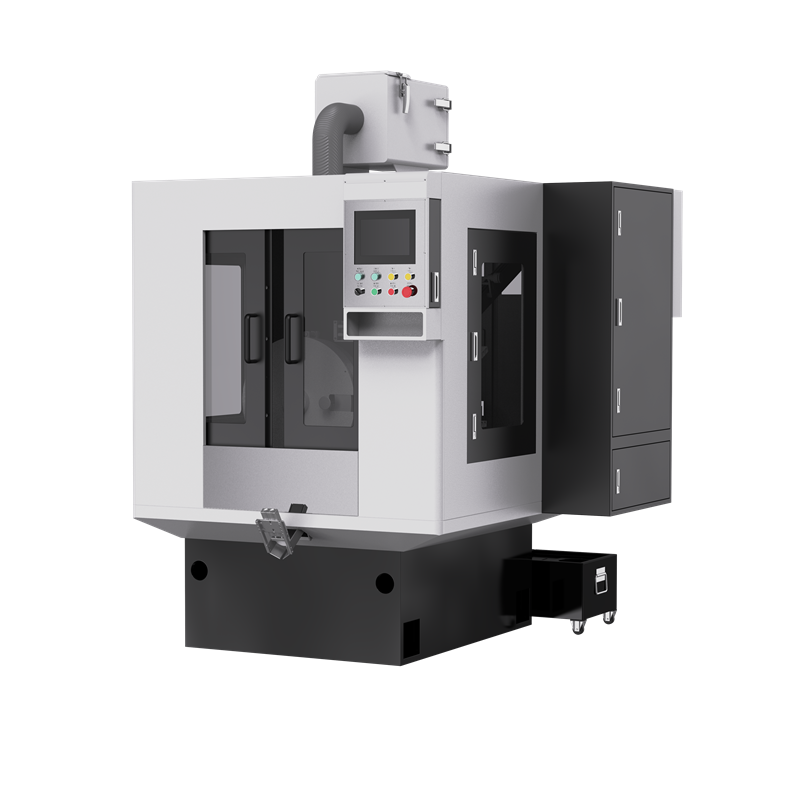
Equipment suppliers that serve multiple material families configure spindle power, wheel specification, and coolant delivery to cover steel and nickel alloy production on the same platform. Suzhou Tianzhijiao Precision Machinery Co., Ltd. configures CNC valve grinding machines for martensitic, austenitic, and nickel-based valve materials with wheel specification and coolant delivery matched to each grade.
Grade family | Typical designations | Continuous service limit | As-delivered hardness | Grinding wheel | Typical application |
Martensitic Cr-Si steel | X45CrSi9-3 (SUH1), X40CrSiMo10-2 (SUH3) | Up to 550°C | 30 to 40 HRC stem, 48 to 58 HRC hardened seat | Aluminium oxide or CBN | Intake valves, exhaust valve stems |
Austenitic Cr-Mn-Ni-N steel | X53CrMnNiN21-9 (SUH35), 21-2N, 23-8N | Up to 800°C | 30 to 38 HRC | Ceramic CBN with controlled infeed | Exhaust valves |
Nickel-based superalloy | Nimonic 80A, Nimonic 90, Inconel 751 | Above 800°C | 32 to 40 HRC | Ceramic CBN, low infeed, high coolant flow | Heavy-duty diesel, marine, motorsport exhaust valves |
Titanium alloy | Ti-6Al-4V, gamma TiAl | 300 to 600°C depending on alloy | 30 to 36 HRC equivalent | CBN or silicon carbide with dedicated coolant chemistry | High-speed gasoline and motorsport valvetrains |
Values represent typical published ranges for valve material grades and vary by specification, heat treatment condition, and supplier. Confirm against mill certificates and supplier test data before process release.

What material grade is used for standard passenger car intake valves?
Martensitic chromium-silicon steel such as X45CrSi9-3 (SUH1) covers most passenger car intake valve production. The grade reaches 30 to 40 HRC after quenching and tempering and accepts induction hardening at the seat face. Higher silicon-molybdenum grades such as X40CrSiMo10-2 (SUH3) are selected when intake temperatures rise with turbocharging.
Why are exhaust valves not made from the same steel as intake valves?
Exhaust valve head temperatures reach 650°C to 850°C in normal operation and approach 1000°C under peak load. Martensitic steel loses hardness above approximately 550°C, which causes seat face deformation and recession. Austenitic grades such as 21-4N retain strength and corrosion resistance across that range.
Can titanium valves be produced on a standard steel valve production line?
Titanium requires dedicated process validation rather than full line replacement. Grinding wheels, coolant chemistry, and infeed rates must be changed to avoid smearing and surface tensile stress. Forging and heat treatment equipment also operate at different temperature windows than steel valve production.
How does material grade affect grinding wheel selection?
Martensitic grades grind efficiently with conventional aluminium oxide wheels at standard parameters. Austenitic and nickel-based alloys work harden and generate high grinding temperatures, so ceramic CBN wheels with reduced infeed and increased coolant flow are specified. Wheel specification errors produce seat face burn and microcracking.
Material grade selection sets the temperature ceiling, the machining route, and the surface treatment route for every engine valve produced. Intake valves run on martensitic chromium-silicon steel, exhaust valves on austenitic steel or nickel superalloys, and weight-critical valvetrains on titanium. Each family requires different forging, grinding, heat treatment, and inspection parameters.
Suzhou Tianzhijiao Precision Machinery Co., Ltd. designs and manufactures CNC valve grinding machines and complete engine valve production lines configured for martensitic, austenitic, and nickel-based valve materials. The company has produced valve equipment since 2003, holds ISO 9001:2015 certification, and exports 60% of its machines to Japan, Indonesia, Mexico, South-East Asia, Europe, and South Africa.
Request a Rapid Sourcing Quote from Suzhou Tianzhijiao Precision Machinery Co., Ltd. Contact Suzhou Tianzhijiao Precision Machinery Co., Ltd. Engineering Team for Free Custom Design Support.

Tianzhijiao specialied in engine valve grinding machine manufacturing and exporting, welcome to contact us for more machine details and quotation.

By continuing to use the site you agree to our privacy policy Terms and Conditions.